
04

Maxillofacial reconstructive surgery

Reconstruction of facial and jaw structures affected by trauma, tumours, previous surgery or malformations.

Maxillofacial reconstructive surgery

What maxillofacial reconstruction involves

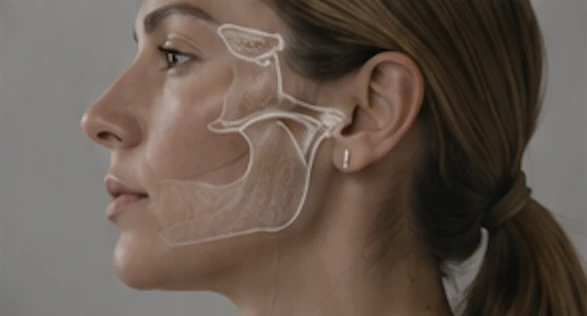
Maxillofacial reconstructive surgery restores bone and soft-tissue structures of the face and jaws that have been lost or altered. It may be required after tumour resection, following trauma, in cases of infection or osteonecrosis, after previous surgery, or in certain malformations.

The primary objective is functional: to restore the ability to chew, speak, swallow and breathe, together with a balanced facial anatomy.
Common situations

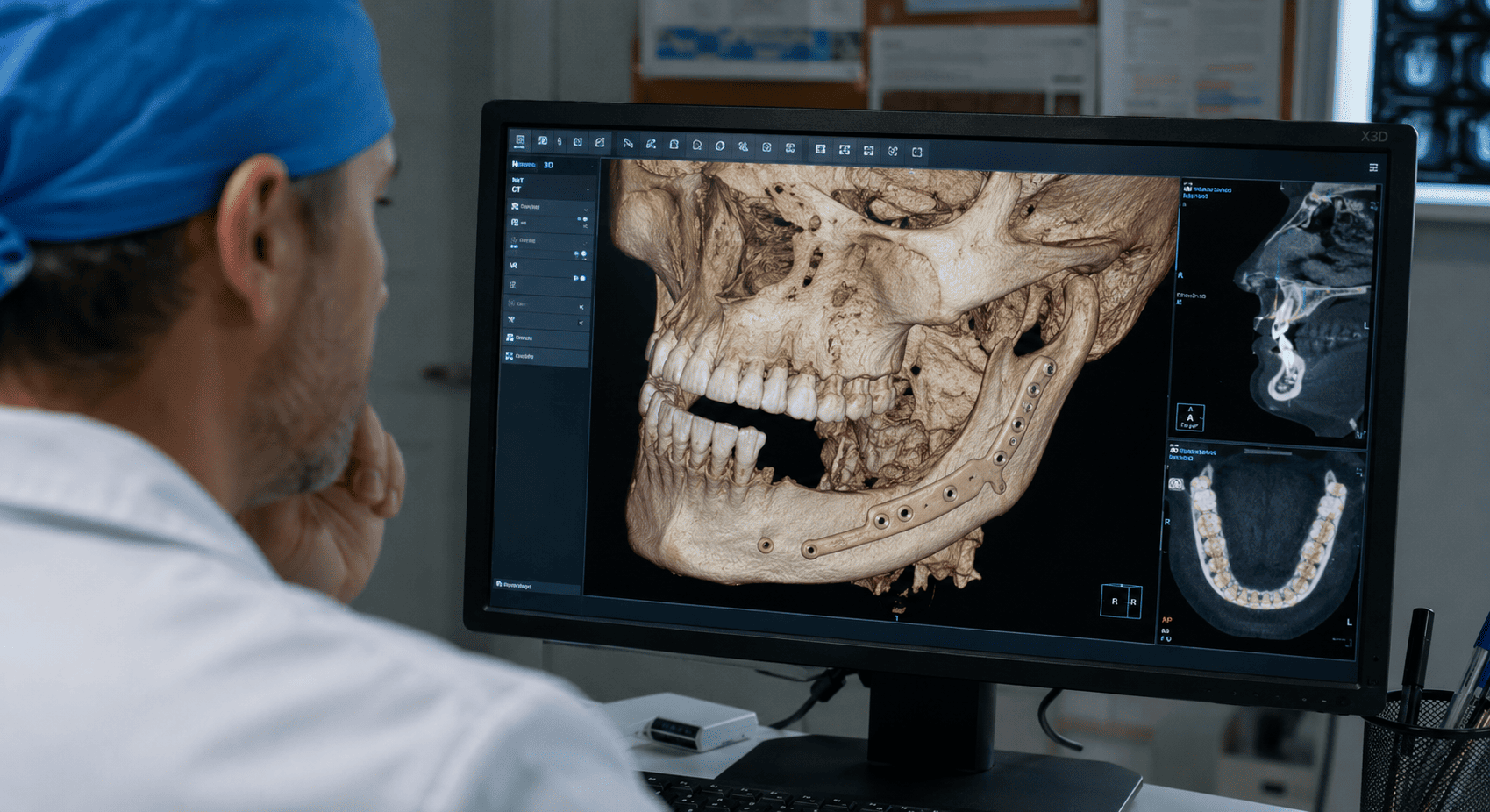
  • Mandibular or maxillary defects following tumour resection.
  • Extensive bone loss of traumatic origin.
  • Osteonecrosis or osteomyelitis with loss of bone structure.
  • Sequelae of previous surgery or of failed reconstructions.

Diagnosis and assessment

Assessment considers the size and location of the defect, the quality of the surrounding tissues, the patient's general condition and any previous treatment received, such as radiotherapy.

Three-dimensional imaging makes it possible to measure the defect and study the available donor sites.

Reconstructive options

Depending on the size of the defect and the patient's condition, reconstruction may be approached with bone grafts, regenerative materials, plates or patient-specific devices, or with microvascular free flaps that provide bone and tissue with their own blood supply.

Each option has its own indications, requirements and timeframes; there is no single solution applicable to every case.

Three-dimensional planning

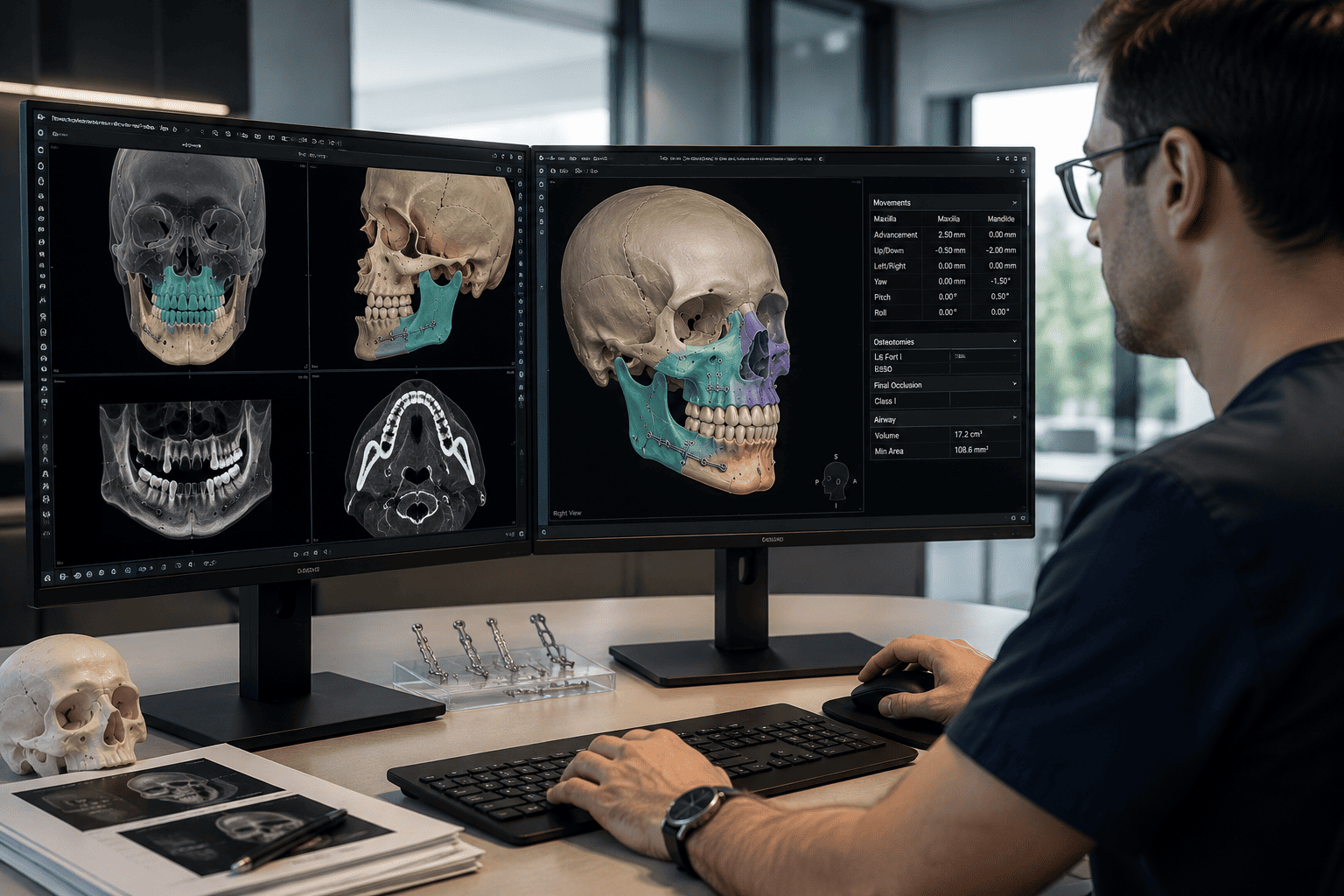
Virtual planning allows the reconstruction to be designed before surgery: defining the osteotomies, orienting the bone segments and anticipating future implant rehabilitation when this forms part of the plan.

Subsequent rehabilitation and follow-up

Reconstruction is usually carried out in stages. Once the bone structure has consolidated, dental rehabilitation can be considered, sometimes with implants, provided local conditions allow it.

These are complex treatments with long timeframes, and outcomes depend on each patient's starting situation; they require continued clinical and radiological follow-up.

Frequently asked questions

See all frequently asked questions

Related articles

I am here to help

Your wellbeing begins with a conversation.